SCIENCE
Science at Tillington Manor Primary School
In summary, at Tillington all teaching and learning is built upon Rosenshine’s Principles of Instruction. Prior learning is revisited frequently to ensure skills and knowledge are retained. Planning is well sequenced into small steps, to prevent overloading children’s working memory. Learning reviews take place to allow the children to activate learning and questioning encourages children to think deeply.
Our aim:
In science, our aim is to create passionate learners of science who are inquisitive, aspirational and resilient – we strive to achieve this through our ambitious curriculum.
Our science curriculum has been carefully designed to align to the national curriculum’s aims, and it is sequenced progressively so that children develop their knowledge right the way from EYFS -Y6.
Our curriculum content is split into knowledge milestones, what they will learn, and working scientifically milestones, which are the skills they need to find their own answers. We recognise the value of teaching both knowledge and skills to support children to develop their understanding of abstract science concepts.
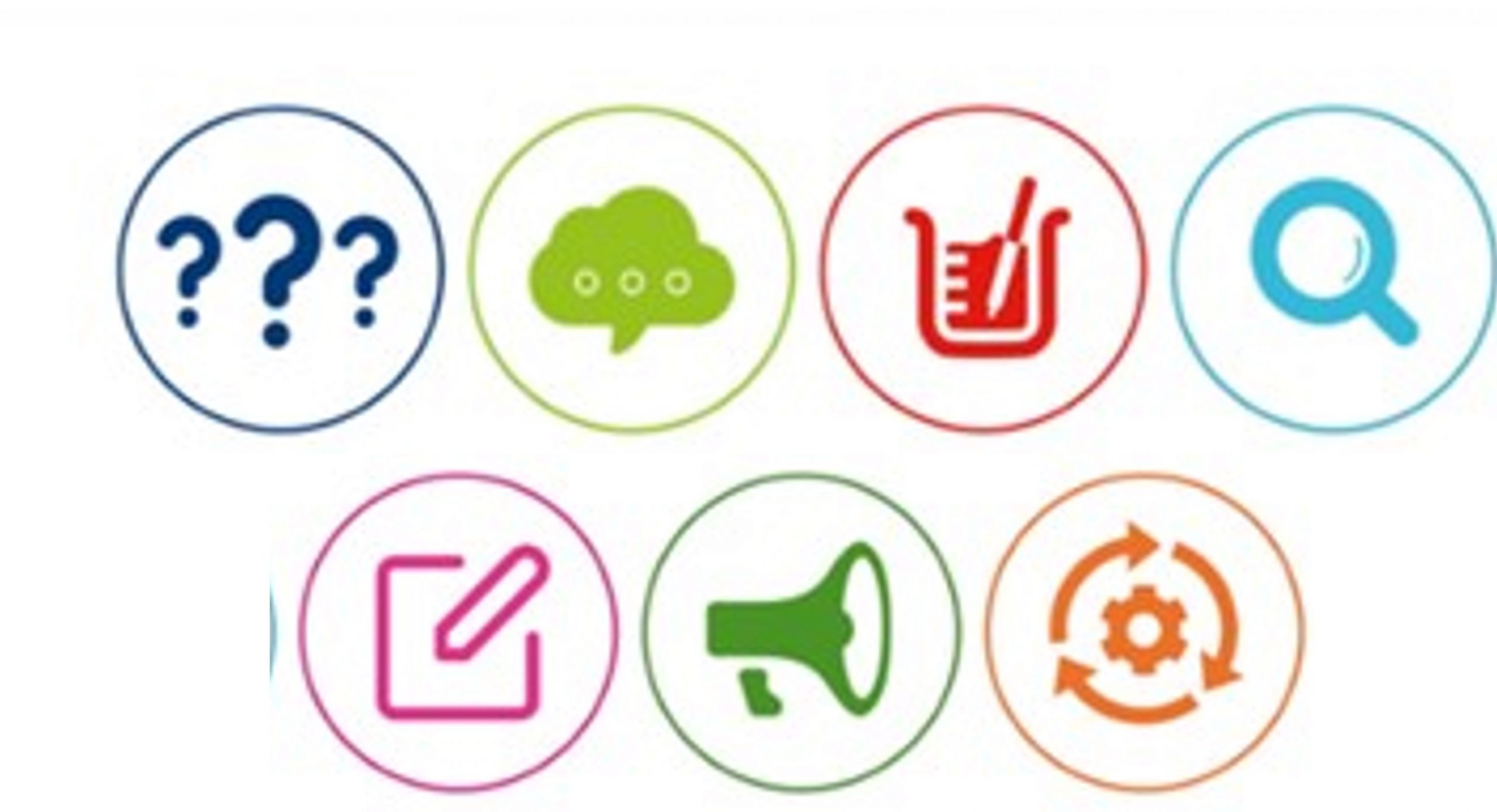
Learning is initiated through learning challenge questions, which require children to seek answers and thus, make the subject engaging and exciting to children. They are encouraged to answer these questions through the use of the different enquiry types. At Tillington, we are dedicated to ensuring that all 6 enquiry types are utilised within the classroom to encourage deep learning, and we recognise that in science, not all questions can be answered in the same way. These 6 enquiry types that we deliver our curriculum through are:
– Research
– Fair testing
– Observation over time
– Pattern seeking
– Identifying, grouping and classifying
– Problem solving
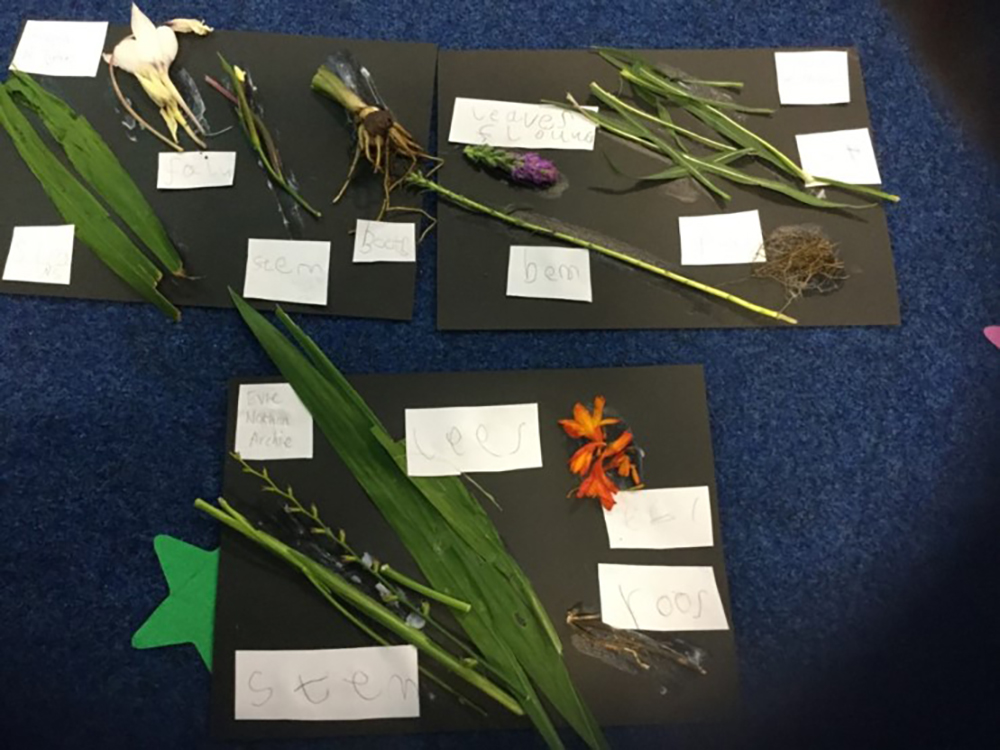
We are aware that the vocabulary children learn in science is often abstract and complex. Therefore, to support pupils to achieve, our curriculum sequences vocabulary in a progressive way , and across school, vocabulary is explicitly taught within every science lesson. Dual coding is used to support children in learning the vocabulary.
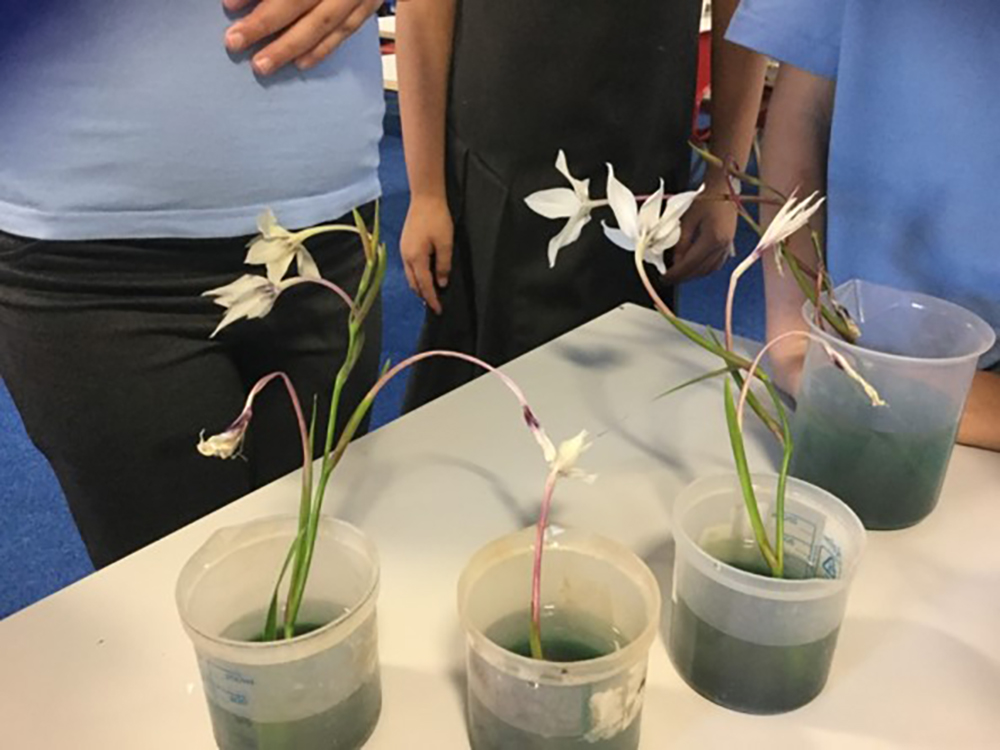
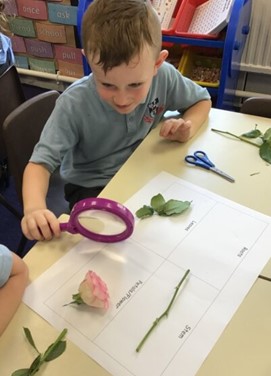
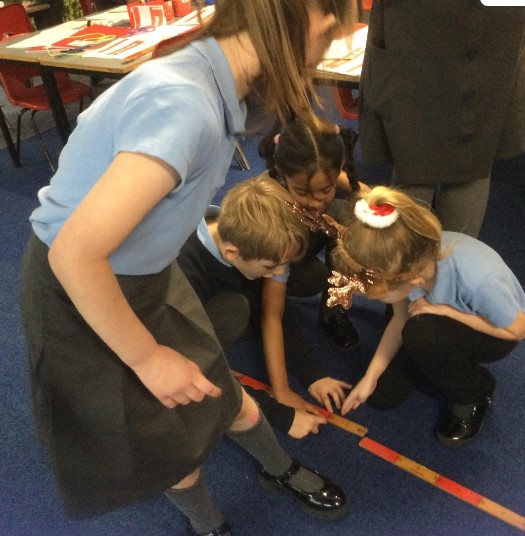
We recognise the importance of first-hand practical experience in developing children’s scientific understanding and enthusiasm for science. As such, in our curriculum, investigations are carefully planned out for each unit. Within these, working scientifically skills are a huge focus. From EYFS all the way to Y6, each working scientific skill is taught in a progressive manner to ensure that all children develop their ability to work like scientists.
Below are the 7 working scientifically skills that children are taught: making predictions; asking questions; setting up tests; observing and measuring; recording; interpreting and communicating, and finally, evaluating.
Adaptive teaching is utilised in science to support all children to access the curriculum.
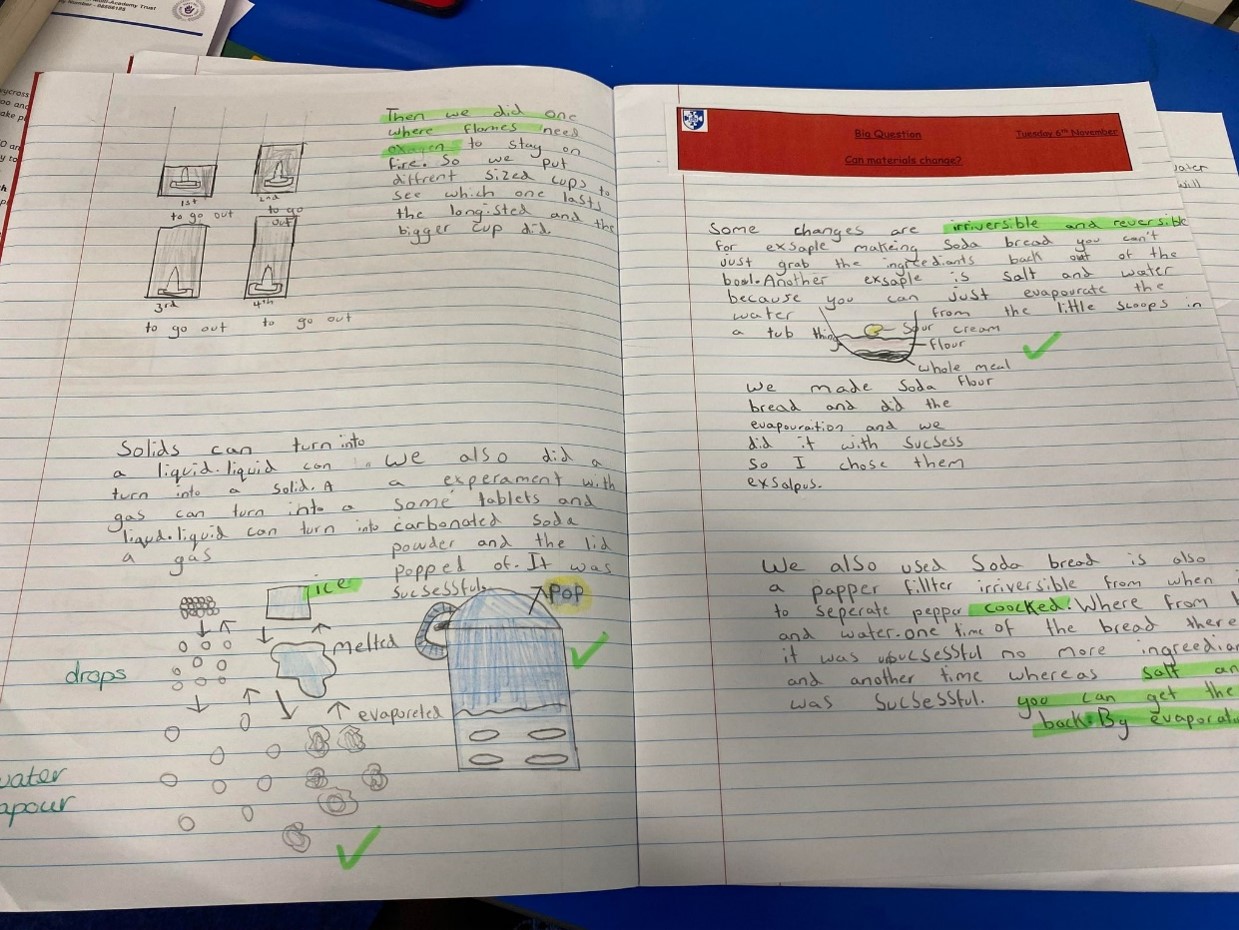
Opportunities for reading, writing and mathematics are evident in science lessons – children read information, they write up their findings, they utilise measuring when conducting investigations and produce graphs to showcase their findings.
Adaptive teaching is utilised in science to support all children to access the curriculum.
Opportunities for reading, writing and mathematics are evident in science lessons – children read information, they write up their findings, they utilise measuring when conducting investigations and produce graphs to showcase their findings.
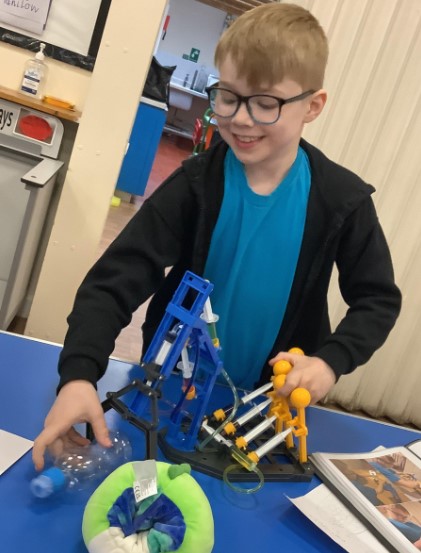
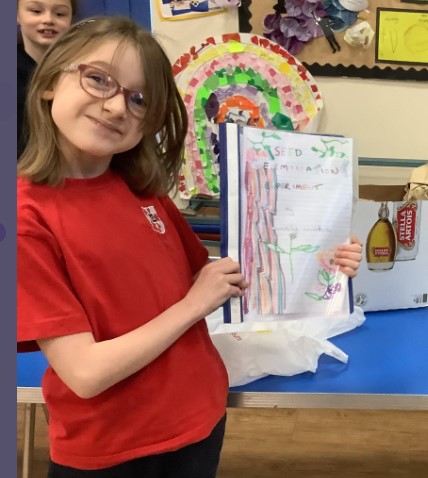
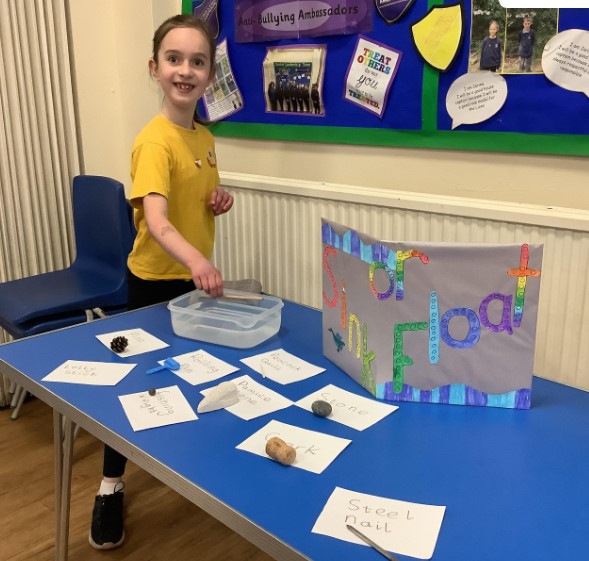
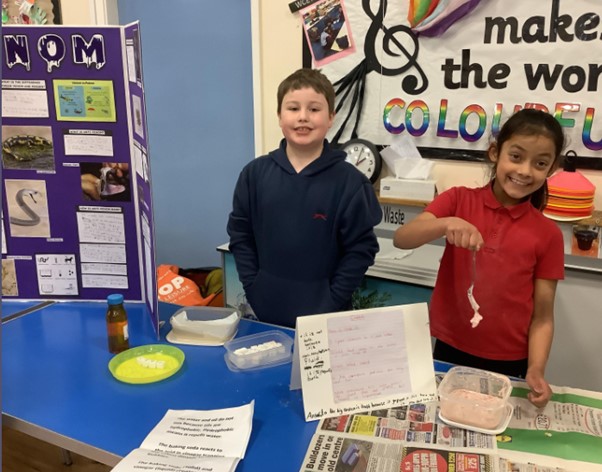
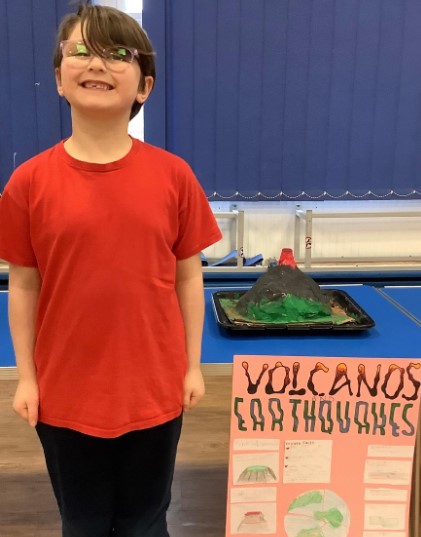
At Tillington Manor, we are aware of the wider issues in the uptake of STEM subjects in higher education facilities, and the gender disparities that are still prevalent in some scientific fields. Our aim as a school is to inspire the next generation of young scientists by developing their science capital. We want all children to see that the possibilities within science are endless, and envisage themselves in future scientific roles.
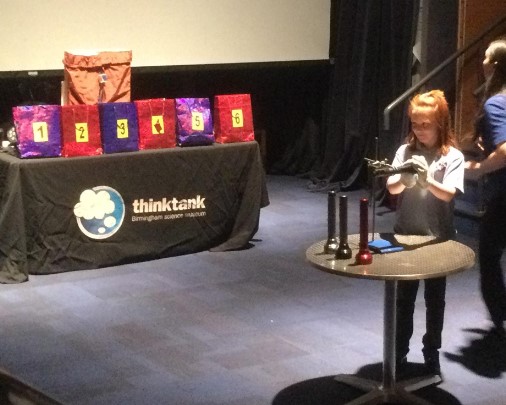
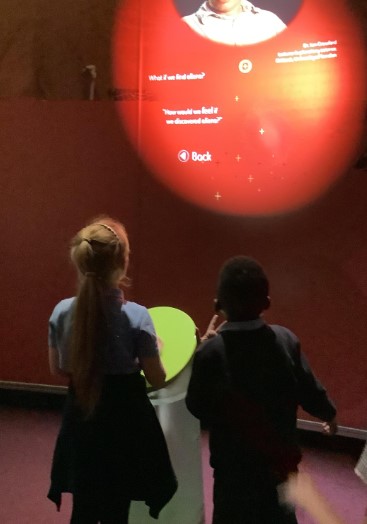
To promote children’s science capital, throughout the year, we plan additional opportunities to provide children with further excitement and role models in the subject. Here are some of the exciting opportunities children at Tillington have received in recent years.
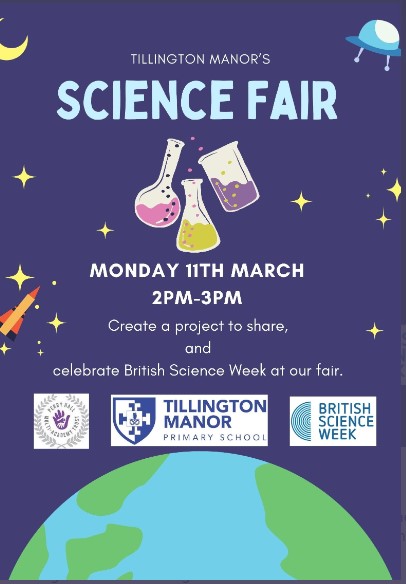
- Celebrating British Science Week.
- Celebrating the International Day of Women and Girls in Stem.
- Entering a science fair.
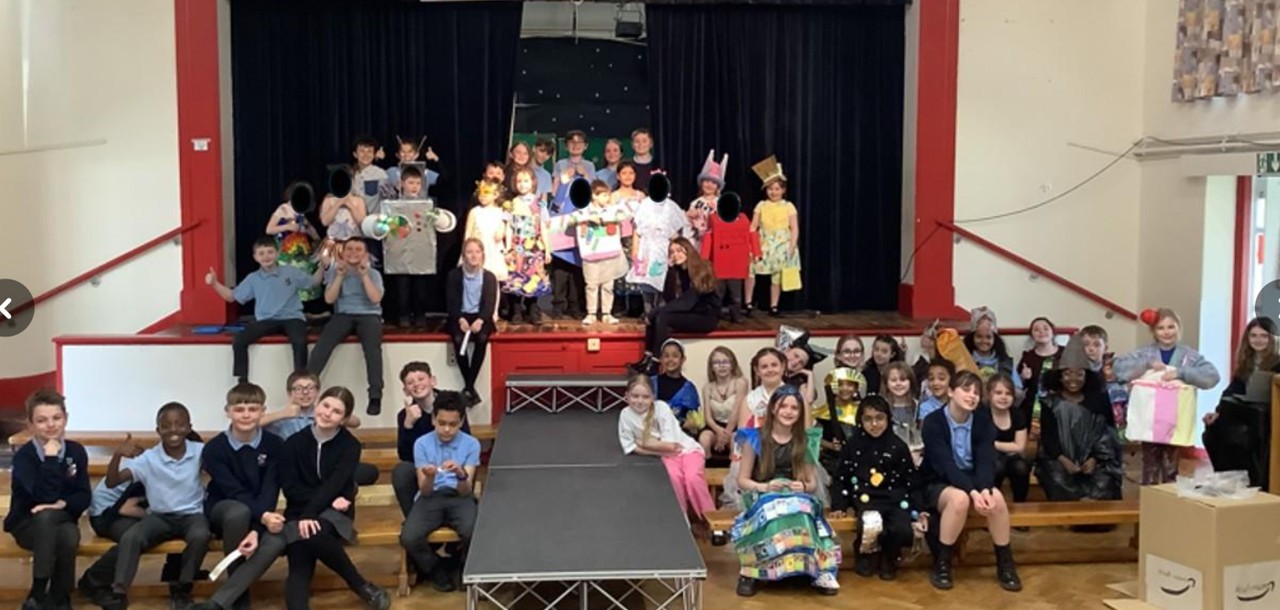
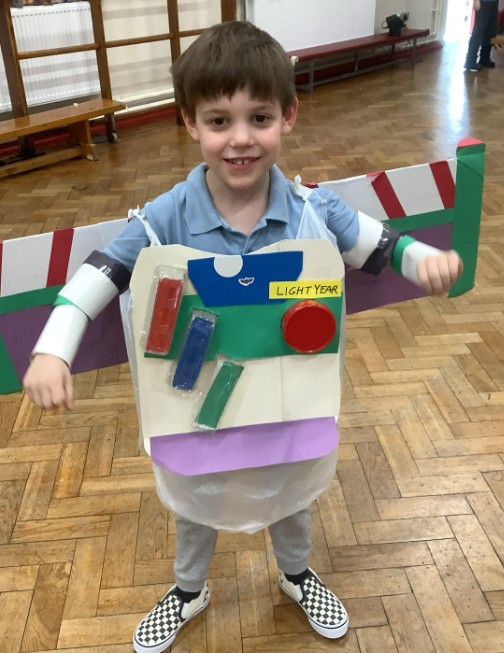
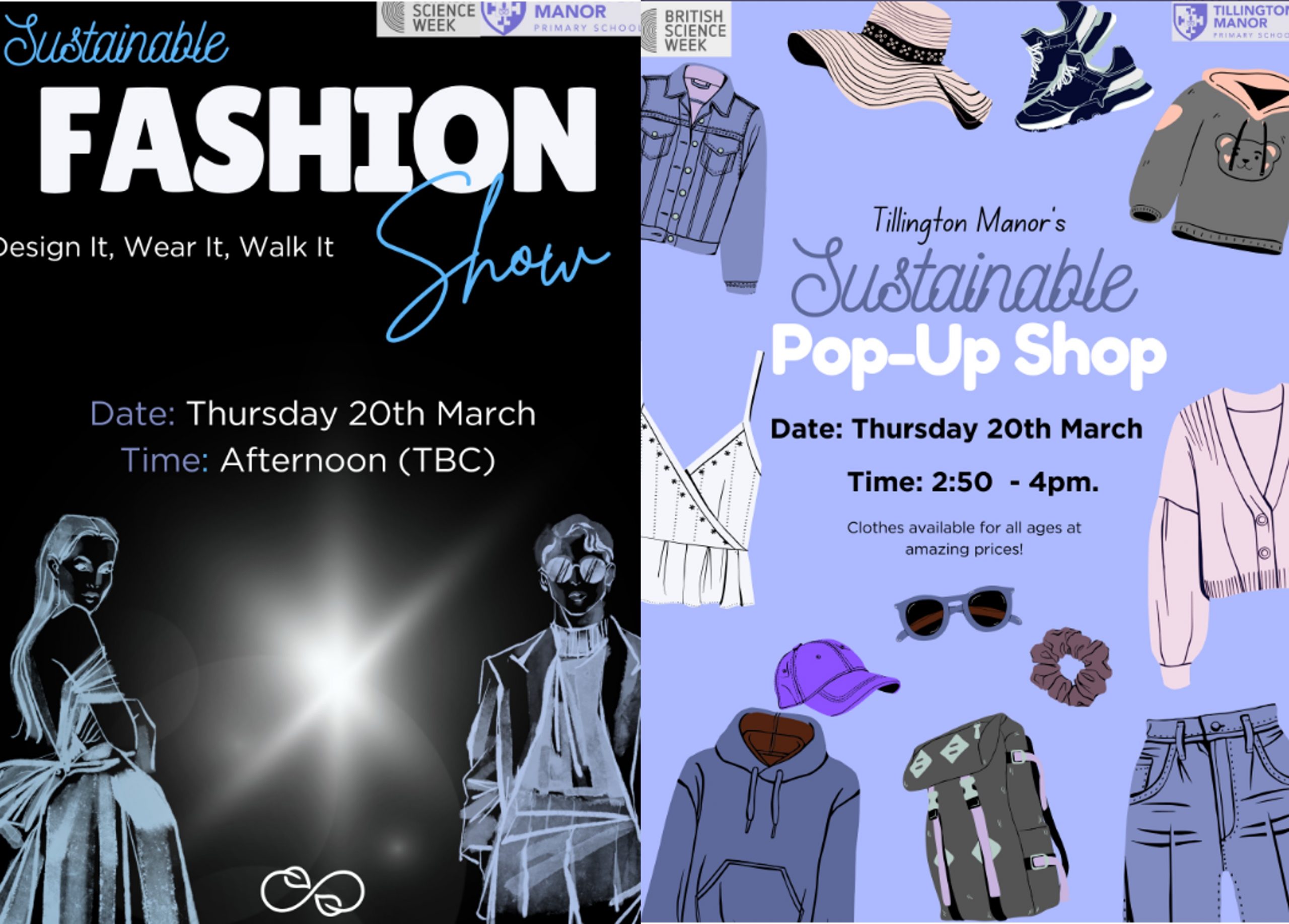
- Designing and making sustainable clothes, and walking in a fashion show.
- Collecting donations and hosting a sustainable pop-up shop to fundraise money for science equipment.
- Welcoming science visitors into school.
- Taking part in online workshops.
- Engaging in TEAMS calls with scientists.
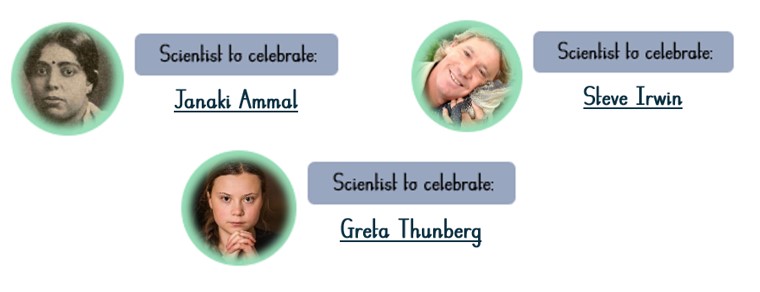
Not only this, we provide children with role models across every science topic. Each unit that children study has a ‘Scientist to Celebrate.’ These are a range of diverse scientists, who the children discuss and reflect upon, and whose work often inspires children further.
Our curriculum:
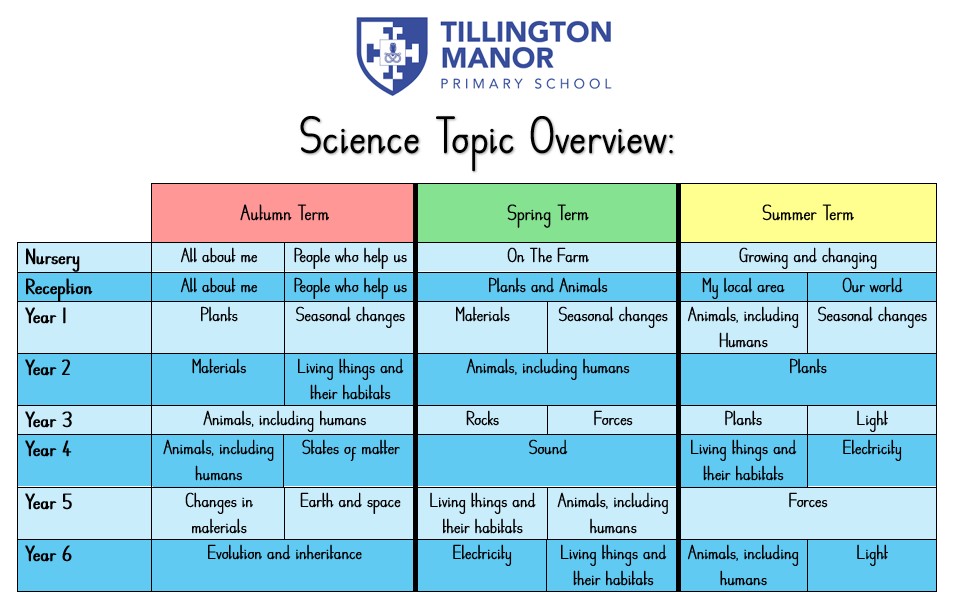
Below is our curriculum overview, which outlines the sequence of learning for each year group.